 cannon
Lightning has entered by the mainmast while cartridges are still passing
Hull
Round shot concentrates damage on timber planking and structure.
Rigging
Chain shot is better suited to attacking masts, sails and rope.
Crew
Grapeshot spreads its effect across an exposed deck at close range.
The magazine balanced two opposite failures: ignition and damp
Black powder could burn violently from a spark and become catastrophic in quantity, while moisture, broken packages and bad mixing could leave guns useless. A magazine was therefore a controlled ordnance room rather than ordinary hold space. Large warships placed it low and away from routine fire, enclosed access and regulated people, dress, lighting and stock.
Keeping powder dry did not permit an open lamp or convenient brazier. Staff checked casks, cartridges, deck and ventilation and restricted iron or footwear capable of striking sparks. HMS Victory's copper-lined grand magazine and separated lighting arrangements represent a particular mature system. Details changed by navy and decade; separating heat from powder was the common aim.
Captain, gunner and mates separated authority, technical custody and labour
Early nineteenth-century US regulations placed magazine keys with the captain and permitted the gunner to open it on authority. The gunner accounted for powder, guns, small arms and tools while gunner's mates, quarter gunners and assigned hands assisted. A gun crew could not simply descend and help itself when its supply ran low.
Authorized entrants removed or covered spark hazards and brought no pipe, flame or unapproved light. Sentries, keys, orders and counts overlapped because no single prohibition removed error. A small armed merchant vessel combined roles more readily, yet still needed powder away from spirits, galley fire and freely handled cargo.
Battle turned bulk powder into measured cartridges and a guarded delivery chain
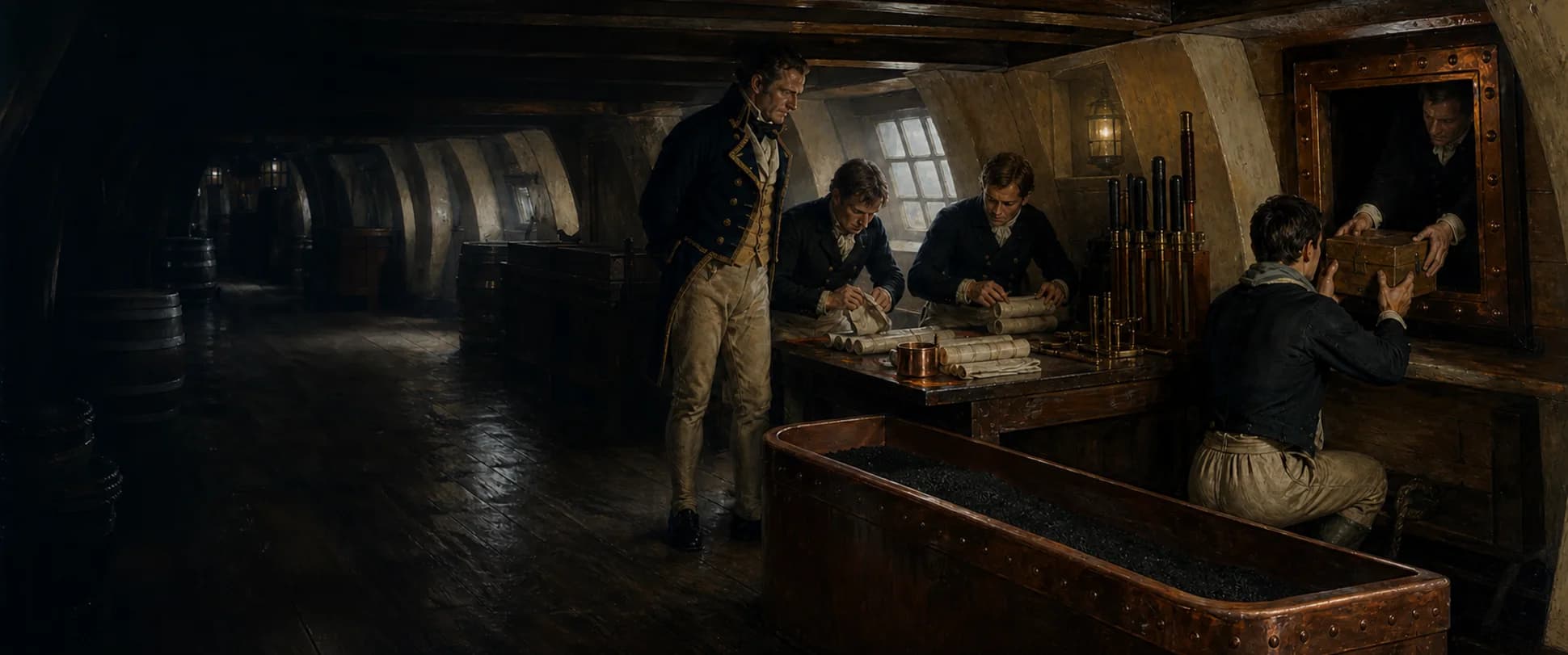
Charges appropriate to gun and order were measured into cloth cartridges or prepared under the service's own practice. Clear for action included powder-department checks of keys, light rooms, measured charges, passing boxes and assigned runners; cartridges then moved by controlled hatchways to the gun decks. The arrangement reduced loose powder at the guns and kept people carrying ignition sources outside the magazine.
Boys and other runners popularly called powder monkeys were one link, not a universal formal rating. They crossed dark, crowded and sometimes damaged passages, serving the correct division on command. Slow delivery reduced fire; excessive delivery accumulated cartridges among sparks and burning splinters. Magazine safety therefore depended on pacing as much as locked doors.
A safe gun drill extended the magazine boundary all the way to the muzzle
Before reloading, a crew extinguished possible embers in the bore, commonly through wet sponging and an ordered sequence. Ignition gear, lamps, smoking and spilled powder remained controlled. A perfect magazine door could not protect cartridges stacked beside a burning carriage, so the gunner's system included training and inspection on the deck.
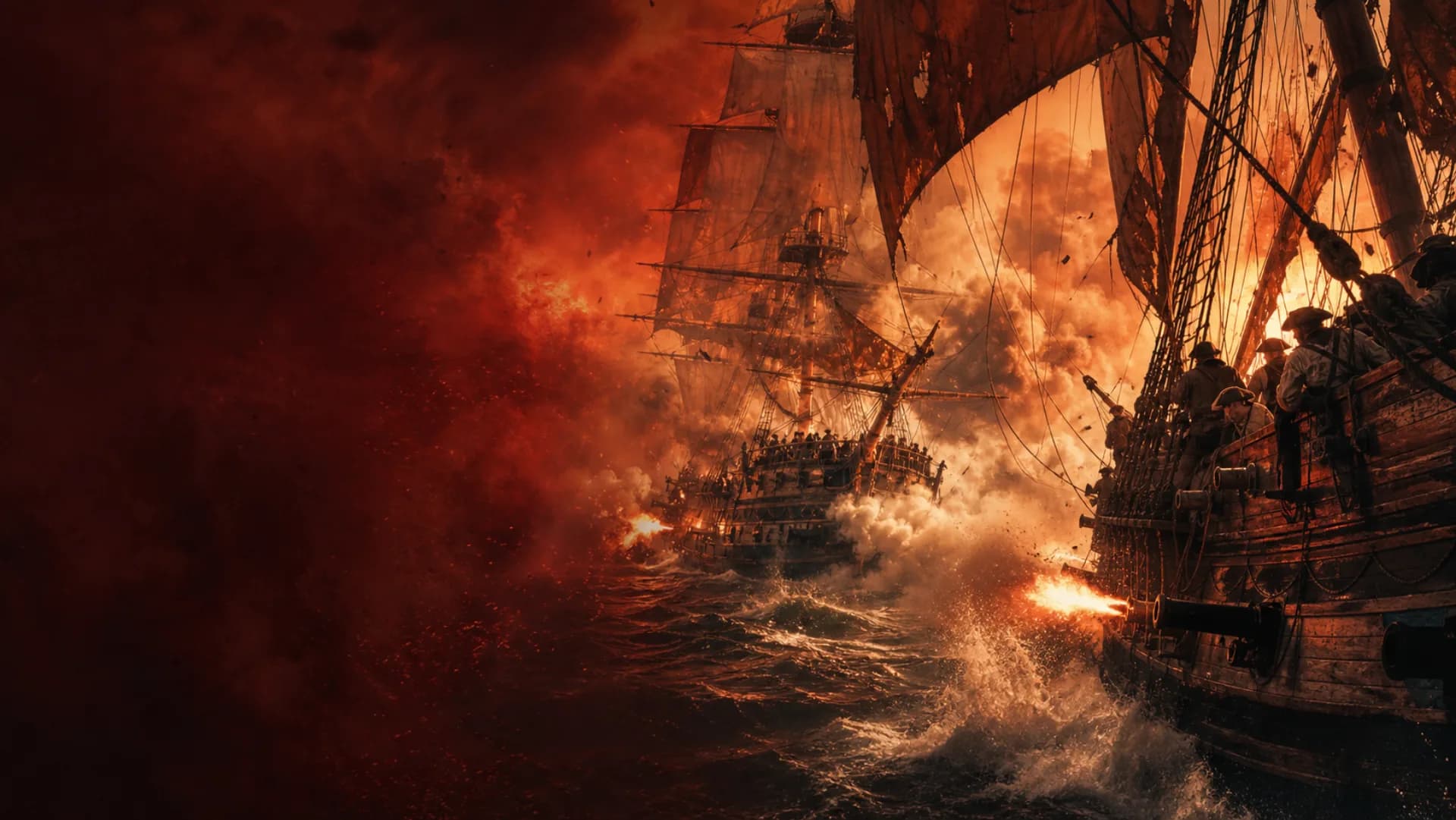
Lightning, galley fire or enemy shot forced command choices: halt passing, close boundaries, remove exposed cartridges or preserve essential fire. Dumping all powder overboard was neither easy nor always survivable. Early discovery, prepared water and wet cloth, known compartment limits and a current account of charges gave damage control something concrete to act upon.
Cease-fire required returns, reconciliation and another structural inspection
Unused cartridges did not remain at the guns. They returned by order, suspect or wet batches were isolated, and stock was reconciled with issues. Staff inspected walls, bilge water, lighting space and passages. A shot might leave the powder unlit while opening a leak or scattering metal and debris through a formerly controlled area.
Capture, grounding and abandonment made the magazine a final objective. A captor secured it against prisoners; a crew ordered to destroy an unsalvageable warship might ignite it only after evacuation. That deliberate last act should not be confused with ordinary fire response. Magazine safety ran from loading and cruising through action, repair and disposal.
Questions
Continue exploring this subject
Who controlled a warship's powder magazine?
Practice varied. Early US regulations placed the keys with the captain while the gunner managed powder, cartridges, tools and battle supply with mates and sentries.
Why not light the magazine with an ordinary lamp?
A naked flame, spark or broken lamp could ignite powder. Some large warships placed lamps in a separate light room behind glass.
Did copper lining make a magazine explosion-proof?
No. It could reduce particular spark and moisture risks, but access, dress, cleaning, packaging, lighting and passing discipline still mattered.
Was powder monkey an official rank?
Not as one universal naval rating. It became a popular name for young or other cartridge runners whose actual titles and organization differed by service and date.
Why not keep all charges beside each gun?
A spark could ignite the entire exposed supply. Controlled passing limited the amount on deck and kept the reserve within an isolated space.
Sources
Continue the research
- Ranks + Rates: GunnerUSS Constitution Museum
- Navy Regulations, 1814Naval History and Heritage Command
- Regulations and Instructions for the United States Naval ServiceU.S. Government Publishing Office
- Trafalgar Trail: HMS Victory Grand MagazinePortsmouth Historic Dockyard
- Officers of Peculiar SkillNaval History and Heritage Command
- The Sailor's Word-BookProject Gutenberg
 01
01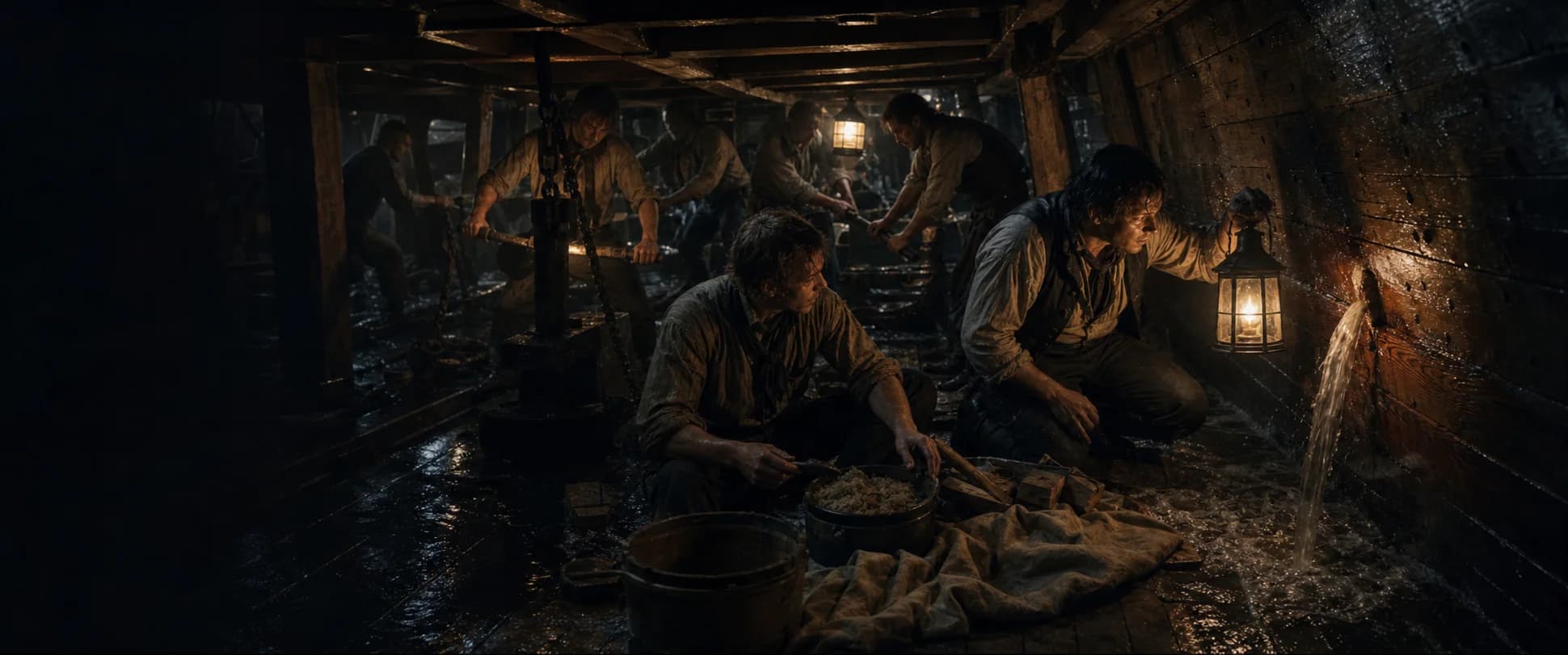 03
03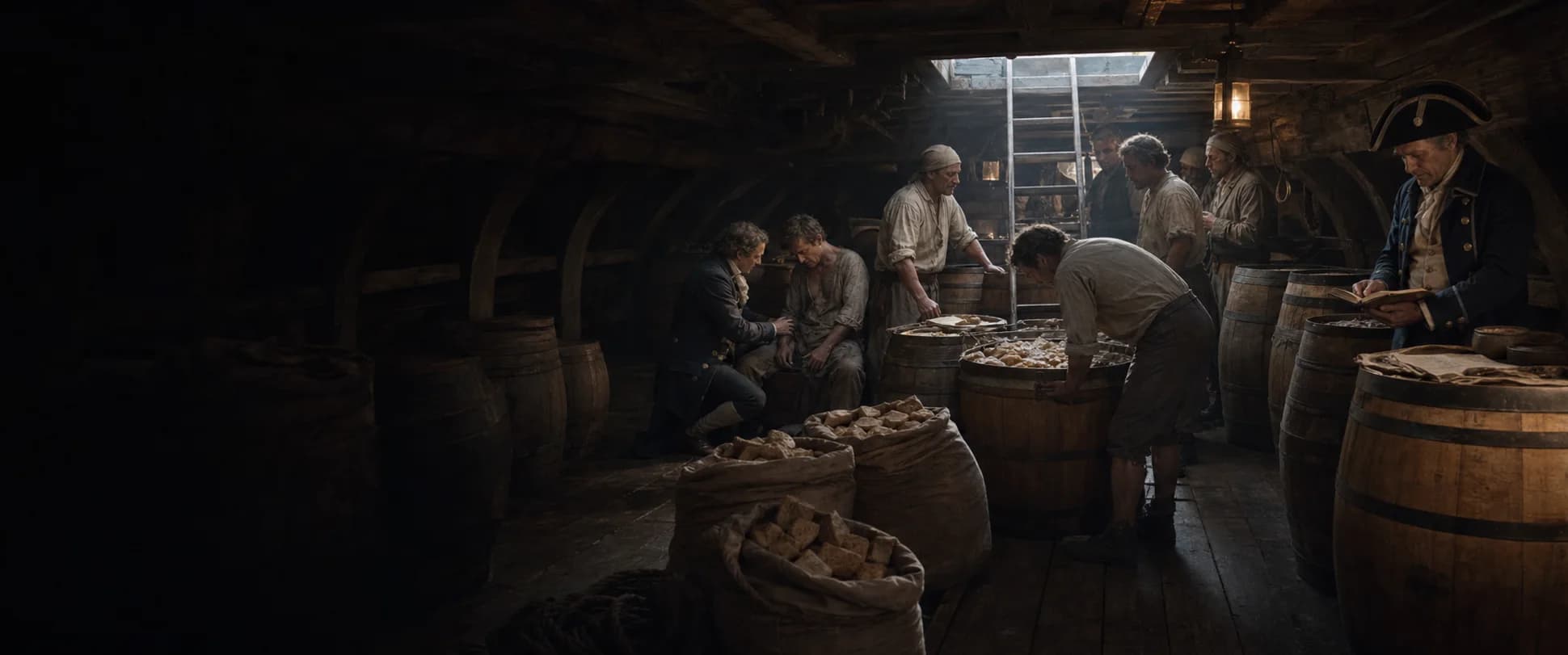 04
04